Mostly park, river and common, with a parade on the side. Green space is on almost every doorstep. The Thames is a short walk away. Richmond Park fills the eastern edge. The houses seem to be what Ham fits in around the grass.
The average home in Ham is about 110 metres from the nearest public green space and has around 28 within a kilometre. That count covers the local common, the Ham Lands nature reserve along the river, Petersham Meadows, the playing fields between Ham House and Thames Young Mariners, and the largest of London's Royal Parks next door. Most London suburbs get one park. Ham is mostly park.
The nearest water is about 410 metres from the average home, and about 63 stretches of river, lake and pond lie within a kilometre. The Thames bends round Ham on three sides, the old gravel pit at Thames Young Mariners is now a lake joined to the river by a lock, and the Common has its own pond. In summer Hammerton's Ferry crosses to Marble Hill House, and the footbridge at Teddington Lock takes walkers over to Teddington all year.
The National Cycle Network is about 1,250 metres from the average home, and about 32% of postcodes are close to it. The Thames Path runs along the riverbank for anyone who would rather walk.
The rated-premises list for Ham counts 81 shops, 12 pubs and 15 restaurants. That means a parade, a petrol station and enough pubs to reward a long walk. Most shopping trips beyond milk, bread and a pint go to Kingston.
Fine-particle pollution across Richmond upon Thames averaged about 8.3 micrograms per cubic metre in 2024, a figure for the whole council area.
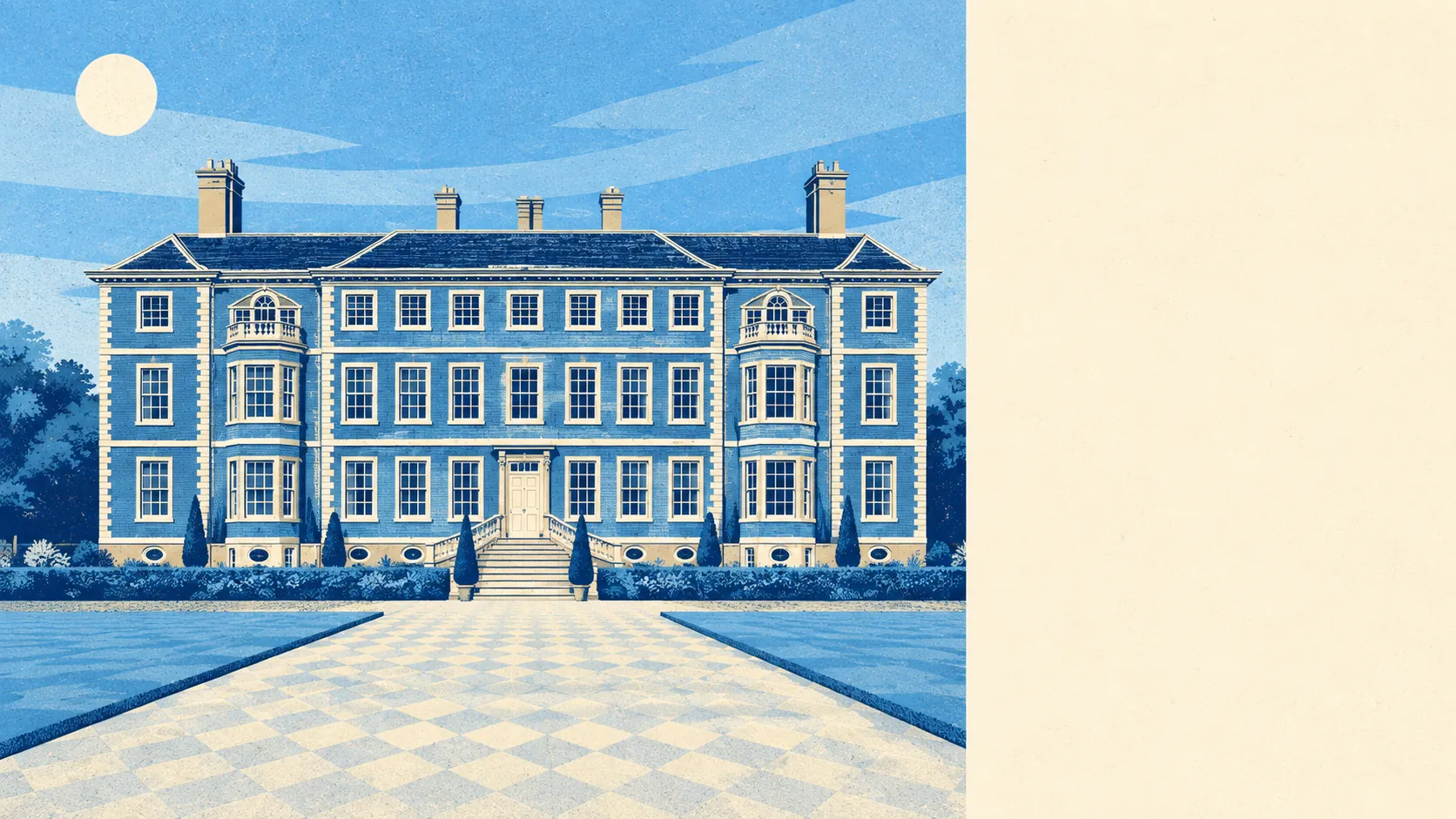
The character comes from the open ground and the old houses around it. Cricket has been played on the Common since the club was founded in 1815, and the Common also has a pond and a patch of woodland. A straight, tree-lined path called the Great South Avenue runs from the Common to Ham House, built in 1610. The path beside its east wall is Melancholy Walk, and the one along its south wall to Ham Street is Cut Throat Alley. The 17th century named its footpaths according to its mood. The polo club plays on what was the orchard of Ham House, and the Common is ringed by period houses with a brutalist close and a modernist estate tucked behind them.
Private gardens are generous for London. Across Ham's neighbourhoods there are about 61,000 square metres of private garden per 1,000 residents. Measured that way, a garden here is a common thing to have, though the flats at the busier end of the stock share theirs or go without.
The council's valuation list counts 295 rateable business premises in the area. The largest groups are 81 shops and 75 offices, followed by restaurants, pubs and a scatter of clubs and car parks. These are premises on the list, some of which may be empty or have changed use since, so they describe the space available more than what is open today.
Ham's food outlets do well on hygiene. Of the 96 premises rated, about 76% hold the top score and about 4% sit at the low end. A meal out here is a fairly safe bet.
No area of outstanding natural beauty, site of special scientific interest or ancient woodland overlaps Ham's own postcodes. Richmond Park next door carries the protection, as a national nature reserve, a site of special scientific interest and a special area of conservation. The wildlife designations stop at the park wall, but nobody in Ham has to travel far to reach them.
The surroundings are Ham's strongest asset. Few places in London put this much grass, river and royal park within easy walking distance of an ordinary front door.