Green without being scenic, which is a distinction worth understanding before you visit. There is no national landscape designation here, no famous view, nothing a coach tour would stop for. What there is instead is open space in every direction, water within a short walk, and gardens big enough that people spend their weekends in them rather than driving somewhere. The heath and the Stour do the work that a beauty spot would do elsewhere, minus the visitors.
Open space is close and plentiful. The typical postcode sits around 270 metres from the nearest patch of it, with nine separate green spaces inside a kilometre. That is not one big park doing the heavy work for the whole place. It is a scattering of them, which is the version that actually gets used.
Water is nearly as close. The average postcode is about 580 metres from blue space, with close to five separate bits of it within a kilometre. For a place with no coastline of its own, that is a lot of river and pond for a Sunday morning.
The National Cycle Network is less obliging. The nearest route averages about 1,535 metres away and only around 1% of postcodes count as close to it, so cycling out of Corfe Mullen means using the roads first and joining the network later. There is no ancient woodland recorded within the area at all.
The wider surrounding area carries a reasonable amount of trade: roughly 299 shop premises, 37 pubs and 15 restaurants on the rating list, alongside about 434 office premises. Those are rateable premises rather than shutters currently open, so treat the counts as capacity rather than a guarantee that any particular unit is trading this month. Within Corfe Mullen itself, 90 premises appear on the valuation list, which is the size of trade a place of this shape supports: enough for the daily errand, not enough for a day out.
Air quality is unremarkable in the good way. Fine particle levels across the council area averaged about 5.5 micrograms per cubic metre in 2024, which is a whole-authority figure rather than a reading from any particular street.
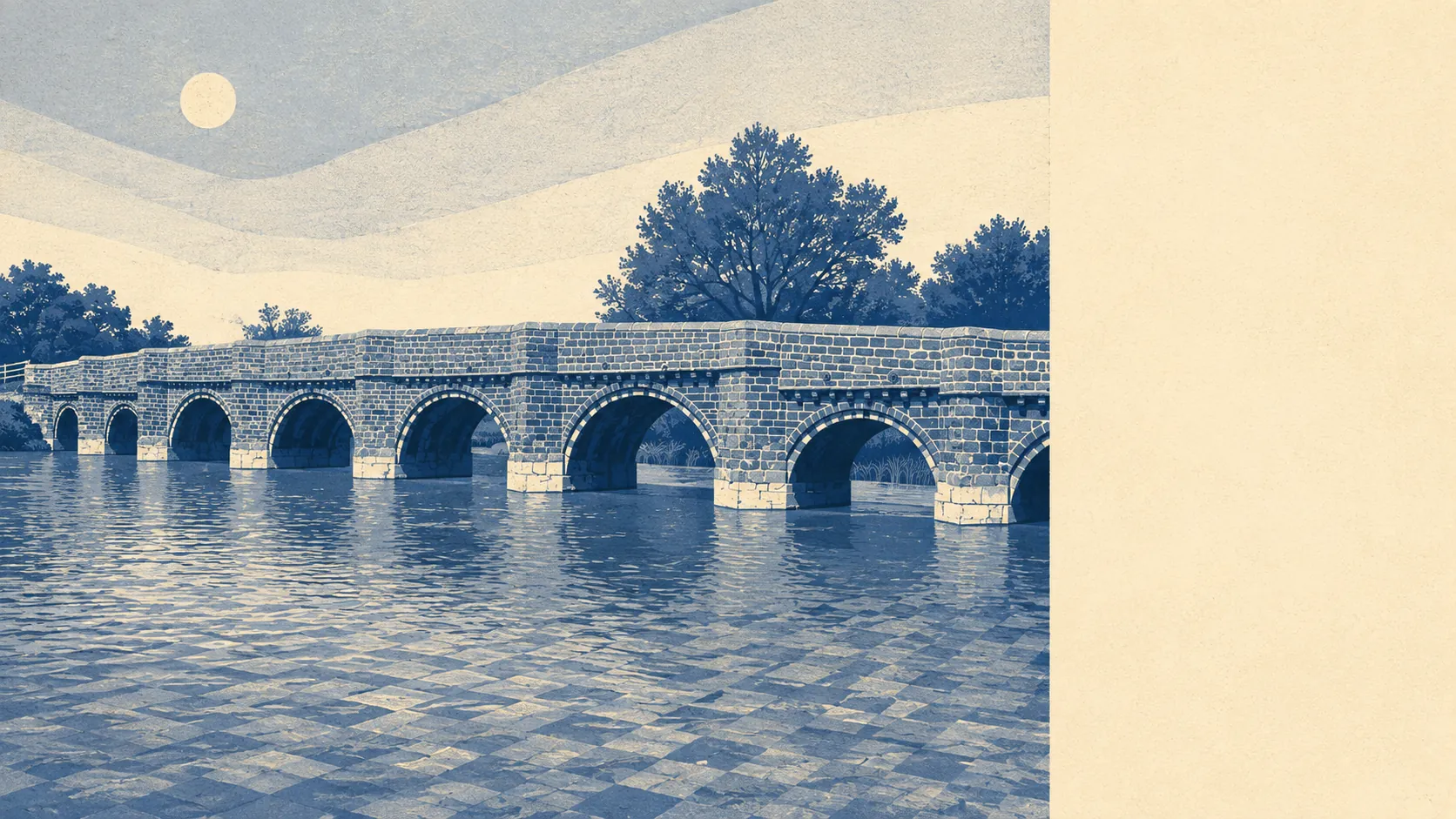
Character comes mostly from what surrounds it. Broadstone, Merley, Upton, Colehill and Creekmoor sit close by, and the place names in between are a genuine pleasure: Happy Bottom, Lambs' Green, Naked Cross, Sleight. The deeper history is right under the housing. Bronze Age barrows sit on Barrow Hill and at Naked Cross, a Roman road forms the eastern edge of the village, and the Second Legion built a fortress just north of it in the first century, then left within about twenty years. Further out sit the properly grand things: Kingston Lacy House, Dean's Court, White Mill Bridge and the Minster Church of Saint Cuthburga at Wimborne. Corfe Mullen has none of those. It has the ordinary streets that people who visit those things live on.
Private outdoor space is where the area quietly outperforms. Gardens account for about 191,798 square metres per 1,000 residents, which is a large amount of private ground per person and about 35% of the area's total land. This is a place of hedges, sheds and lawns rather than of communal courtyards.
Eating out is a short list well kept. Of the 26 premises with a food hygiene rating, about 92% hold the top score and none sits in the bottom band.
Worth stating plainly what is absent: no area of outstanding natural beauty overlaps this place, no site of special scientific interest, no ancient woodland. That is not a criticism, it is a description. Designated landscapes bring visitors, restrictions and parking problems along with the views, and Corfe Mullen has none of the four.
The surroundings are one of the strongest things about living here. You get more green space, more water and more garden than most suburbs manage, and the only thing you give up is the sort of scenery that puts a place on a postcard, which nobody living here seems to miss.