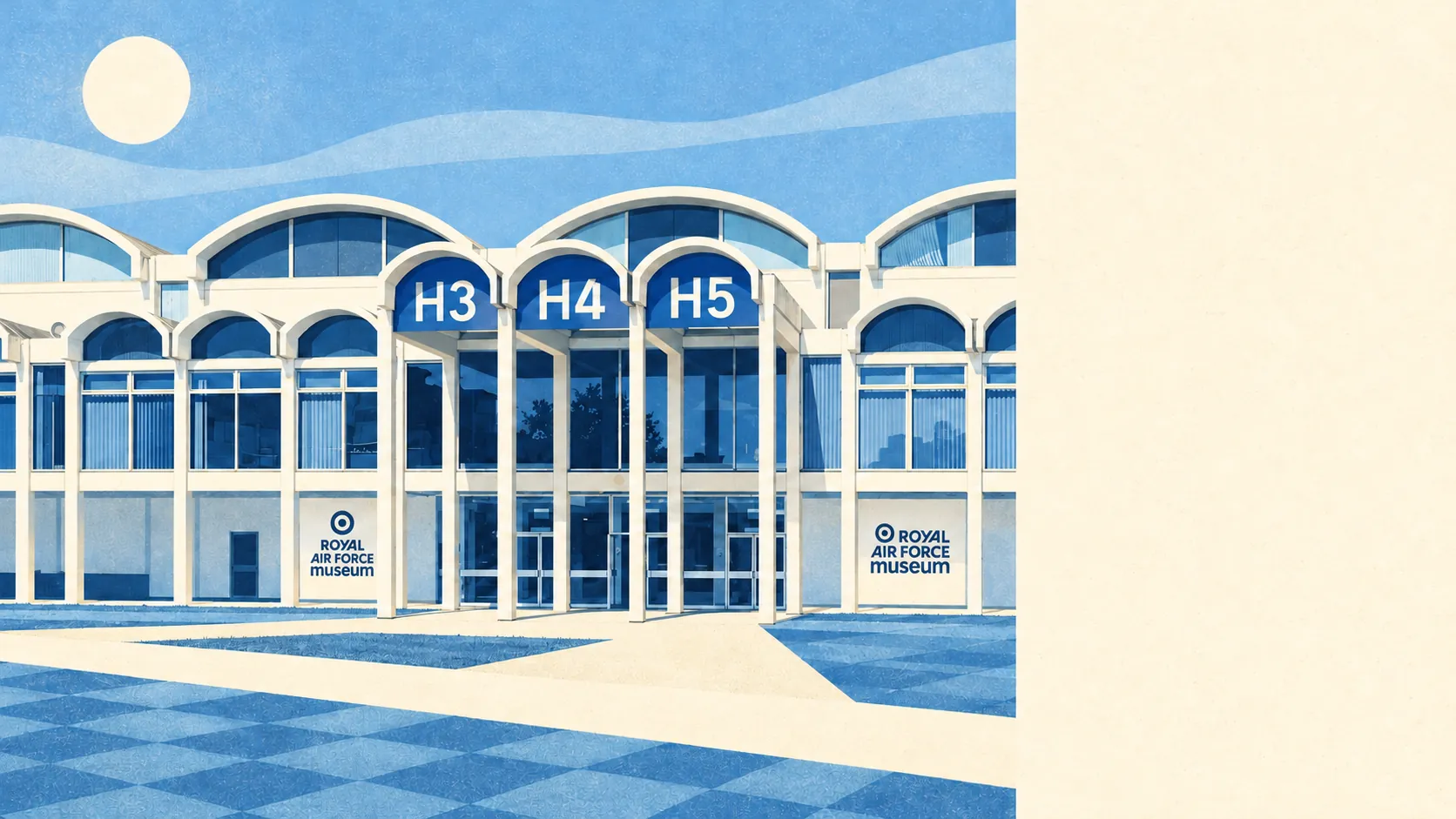
Colindale is very good at getting you somewhere else, and that is most of the case for living in it. Buses pass the end of almost every street, gigabit broadband reaches nearly nine homes in ten, and a third of households get by without a car. The neighbourhood those connections lead back to is a harder sell. Fewer than half of homes are owned by the people living in them, and the area has been slipping on the deprivation measures.
The Northern line's Edgware branch has a Tube station on Colindale Avenue, and Hendon Rail Station and Mill Hill Broadway Rail Station are both close enough for anyone who wants Thameslink. The buses are the real network, though. There are 232 stops in and around the area, and the 216 with timetable data average about 440 departures each on a weekday, with around 24 buses an hour at the peak. All but one of them have a weekend service. Gigabit broadband is available to about 88% of premises, 99% can get superfast, and every postcode has 4G or 5G from at least one operator. At the 2021 census about 31% of working residents worked from home, 27% drove and 11% took the bus. On the Department for Transport's modelled times from 2019, a town centre is about 14 minutes away by public transport. In 1910 the old tram depot here hosted Britain's first trolleybus trials, and half a century later London's trolleybus fleet was broken up for scrap on land behind the same depot, so Colindale has a long record of outlasting its transport.
The neighbourhood is young and mostly rents. About 43% of households own their home. The median resident is 35, and the Office for National Statistics models gross household income at about £63,000 for the financial year to March 2023, averaged across the area. That income figure is higher than the deprivation picture would suggest. The government's deprivation index has the area in a worse position in 2025 than it was in 2019, and about 16% of households count as overcrowded. Grahame Park, built in the 1960s and 1970s on part of the old Hendon Aerodrome, is the largest post-war estate in Barnet and the borough's most deprived corner. Companies hold 3,605 property titles in the NW9 district, and on a lot of the new blocks the most permanent resident is a landlord's registered office.
The Metropolitan Police recorded about 104 crimes per 1,000 residents in the year to May 2026, roughly 7% above the Barnet average. Antisocial behaviour makes up about 24% of what gets reported, against 16% across England and Wales. Vehicle crime is about 8% of the total, against 5% nationally. Violence and sexual offences are the largest category everywhere, but here they account for 25% of crime, well below the national share of 35%. Most of what pushes Colindale above the borough average is nuisance and cars, and the Met's own figure for charging suspects across London, about 10%, does little to make up for it.
Flooding depends on which measure you read. About 26% of postcodes are rated high on at least one Environment Agency flood indicator once surface water is included. Only about 2% of the area falls in the river-and-sea flood zones. The Silk Stream, a tributary of the Brent, runs north to south through the district. The Environment Agency has 17 recorded flood events here, the most recent in August 2015, when a main river ran over its banks where there were no raised defences. Surface water is the main thing to watch. The brook is a smaller worry, though not one to ignore.
Schools are a strong point. Across nine primary schools in the area, the average Key Stage 2 maths score is about 106, and the three secondaries average an Attainment 8 score of about 49. Colindale Primary School, The Hyde School and Saracens High School are all nearby. Across Barnet, Ofsted has graded 57 of 59 schools good or outstanding, 12 of them outstanding, though that is a borough-wide count.
Heritage rarely gets in the way. There are 56 listed buildings in and around the area: one at Grade I, two at Grade II* and 53 at Grade II. Three conservation areas fall within its bounds: Hendon Church End, Hendon The Burroughs and the Watling Estate. Four listed buildings are on Historic England's at-risk register. For most flats here, the planning constraint that matters is the lease.
The Land Registry recorded 384 sales in the year to mid-May 2026, with a median price of about £425,000. Flats went for about £370,000, terraced houses for about £528,000 and semi-detached houses for about £585,000. There were only three detached sales. Band D is the most common council tax band, and only about 10% of homes are in bands A or B. Private rents across the Barnet area average about £1,930 a month as of April 2026, a borough-wide figure that includes plenty of streets with gardens.
According to the council-tax list, about 58% of homes are flats, 21% terraced, 18% semi-detached and 2% detached. Only about 11% were built before 1930. That young stock shows in the energy certificates, where about 70% of homes are rated A to C. About 58% of homes are on mains gas and about 22% rely on electric-only heating, which affects running costs and is worth knowing about when choosing between buildings. The hospital that opened here in 1898 for central London's long-term sick has gone the same way as everything else, into apartment blocks, with only its listed administration buildings left.
Green space is close. The average home is about 130 metres from a park, and Montrose Playing Fields, Silkstream Park, Heybourne Park and Colindale Park are all in the district. Water is about 450 metres away on average, and West Hendon runs down to the Welsh Harp. Kingsbury and The Hyde, the area's other neighbourhoods, share the same parks and the same bus network.
Colindale works best for renters, first-time flat buyers and anyone whose life runs on the Northern line, a bus pass and a good broadband connection. Buyers looking for a long-settled street of owner-occupiers, with neighbours who will still be there in ten years, should look harder at the semis in Kingsbury before deciding.
Colindale is above average overall. The case for it is how easily you can get across London and online from here. The case against is that the neighbourhood itself is mostly passing through, and it has been getting poorer on the official measures.