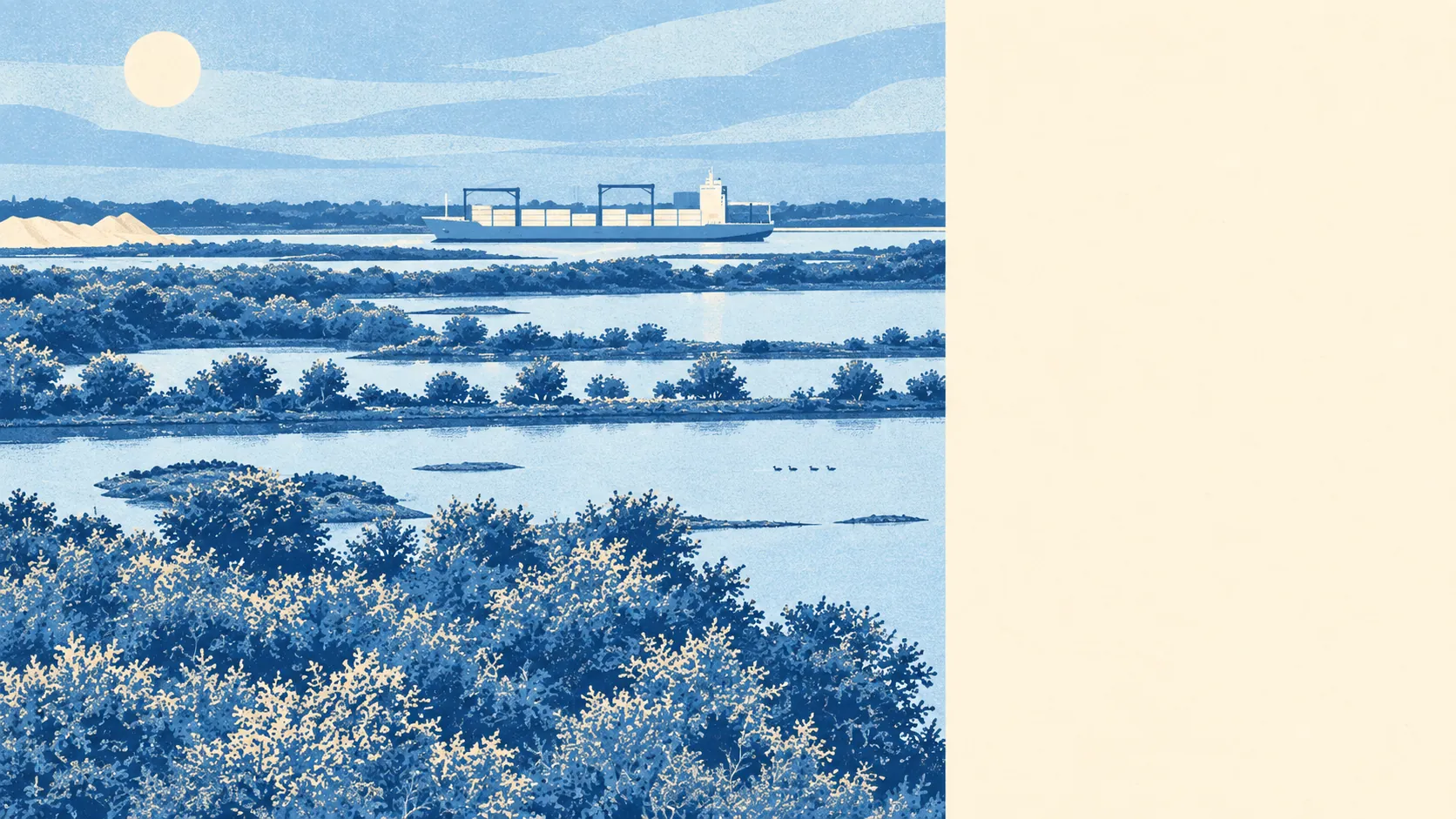
Open, green and wet in the good sense. Parks and fields sit a short stroll from almost every door. Water is closer than the nearest pub for plenty of residents. The cycle network runs past the end of the road. Cliffe's surroundings are the reason people put up with the drive.
Green space is close and plentiful. The average home in Cliffe is about 160 metres from the nearest green space, with about 9 green spaces within a kilometre. That is the kind of access a city estate agent would put in bold and charge extra for.
Water is the other constant. The average home is about 360 metres from open water, and about 34 bodies of water sit within a kilometre, from drainage ditches to the marsh pools that give this edge of Kent its character. The landscape is less countryside with a pond than water with some countryside in between.
Getting out into it is easy. The National Cycle Network runs on average about 200 metres from home, and about 98% of postcodes sit close to it. The route is there. Whether the headwind lets you enjoy it is a separate matter.
The amenity mix is village-sized. Across the wider ME3 postcode district, company-owned property includes 62 shops, 13 pubs and 2 restaurants. Anyone expecting a dining scene will find the pub is carrying the evening, and the restaurants are the rare treat rather than the Friday habit.
Air quality across Medway measured about 8 micrograms of fine particles per cubic metre in 2024. That is a council-area figure, not a reading taken on the marsh, where the wind has its own opinions.
The character comes from what surrounds the village. Cooling sits nearby, Cooling Castle and its landscaped setting is on the doorstep, and the remains of Cliffe Fort and the old Cliffe Explosives Works, both scheduled monuments, lie out towards the river. The Church of St Helen anchors the old core, inside the Cliffe conservation area. It is a landscape made of churches, ruins, military leftovers and a great deal of sky, which is a better description than any brochure has managed.
Private gardens are generous. Across the village, there are about 134,000 square metres of garden for every 1,000 residents, which is a measure of how much outdoor space people have behind their own fences. The share of total land that is garden looks small only because the farmland and marsh around the houses dwarf it.
The business life of the village itself is compact. The council-tax business valuation list records 16 rateable premises, with shops and offices among the most common categories. These are premises on a list, not a guarantee of anything open on a given Tuesday, and nothing about any particular business should be read into them.
Eating out, where it happens, is clean. Of the 7 food premises with a hygiene rating, about 71% hold the top score of five, and none sit at the bottom of the scale. The kitchens are fine. There are not many of them.
No protected-landscape designation overlaps Cliffe itself: no area of outstanding natural beauty, no site of special scientific interest, and no ancient woodland. That is not a mark against the place. It means the marsh, fields and water on the doorstep are ordinary working landscape, open to walk and cycle, and nobody has hung a sign on them asking for reverence.
The surroundings are one of Cliffe's real strengths: green space in minutes, water everywhere and a cycle route at the end of the street, for anyone who values a view over a restaurant list.