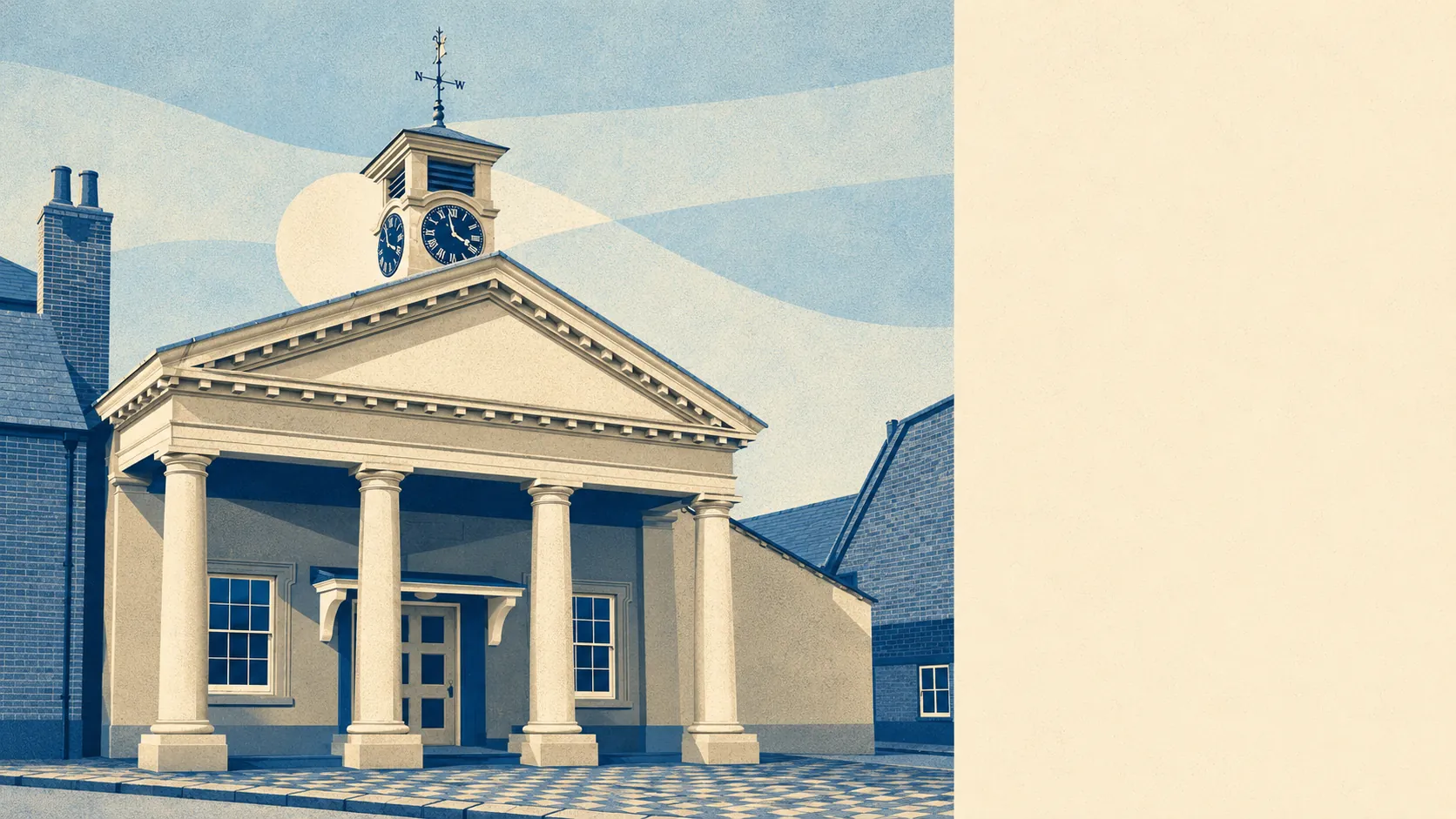
Botley is coasting on a two-hundred-year-old review. William Cobbett called it the most delightful village in the world, and it has been quoting him ever since. The median resident is 48. Close to three-quarters own their homes. Nearly half the households keep two cars or more. That is not a delightful village anymore. It is a settled slice of the Southampton commuter belt that kept the 1267 market charter and the name.
The housing tells you who moved in and stayed. Two-thirds of homes are houses, about one in six are flats, and roughly one in seven are bungalows, which is the built form of a place that quietly went suburban after the war and never looked back. The bulk of the stock went up between 1950 and 1982, so the postcard cottages are the exception, not the rule. On energy, under half the homes reach band C or better, about four in ten sit at band D, and just over one in ten land at E or worse. Translated, most Botley houses are averagely draughty and averagely expensive to heat, which is the truest thing you can say about post-war Hampshire.
None of that comes cheap. The typical sale over the past year landed at about £326,000, off roughly forty transactions, so this is a small market where a few sales move the number. A detached house runs to about £560,000, a semi to around £325,000, a terrace to about £305,000, and a flat to about £225,000, which is the clearest sorting mechanism in the village: your budget picks your street before you do. Council tax leans middle, with band C the most common and only about one in six homes sitting in the lowest two bands. Nobody is getting in here on the cheap band.
Renting is the same story from a different angle. Typical private rent across the Eastleigh area runs about £1,210 a month, and Botley sits inside that borough figure rather than under it. This is not a place people rent because they have to. It is a place people rent while they wait to buy the semi.
The safety picture is the one that spoils the brochure. The published crime rate is about 82 per thousand, which is roughly 23 per cent above the Eastleigh average. That is not the number a village trading on Cobbett wants printed, and the honest read is that a settled residential place with retail and main roads folded into its patch carries more recorded crime than its own reputation suggests. It is not dramatic. It is just higher than the people who moved here for the quiet assume.
Getting out is easy enough if you drive, and most people do. Just over half the working residents drive to work, over a third now work from home, and barely one in a hundred take the train, which tells you exactly how much the local line is loved. Botley Rail Station exists, and the town centre is under nine minutes by car or about fifteen on public transport. Broadband is the quiet win: gigabit reaches four in five postcodes and superfast covers almost everything, so the third of the village working from home is doing it on a proper connection rather than a prayer.
The surroundings are where Botley genuinely delivers. Green space sits about 194 metres from the average front door, with roughly eleven separate green spaces inside a kilometre, and the River Hamble is close enough that water is part of the daily geography rather than a day out. This is the best thing about the place by a distance, and it is the reason the semis hold their value. The flood risk is the price of that water. About a quarter of postcodes carry some high surface-water flood risk, yet the formal Environment Agency river flood zones come out at effectively nil and there is no recorded history of the place going under. The threat here is a bad afternoon of rain finding a low spot, not the Hamble coming through the living room.
Heritage constraints are real but narrow. There are 41 listed buildings, all of them grade two, and two conservation areas covering Botley itself and Swanwick Shore, with no scheduled monuments in the mix. If you buy one of the old buildings inside a conservation area, expect the council to have opinions about your windows. If you buy one of the thousand-odd post-war houses, which most buyers will, the listing regime never touches you.
The character is comfortable and unhurried. Close to three-quarters of homes are owner-occupied, the median age is 48, and the typical household pulls in roughly £67,000 a year, which buys the kind of village where people know the school run rota and stay put for a decade. It is well-off without being showy, and settled to the point of being sleepy.
So who is it for. It suits a family or a downsizing couple who want space, a garden, green on the doorstep, and a car on the drive, and who value a decent broadband line and a river walk over nightlife they were never going to use anyway. Buy the semi, learn which lanes back up at eight in the morning, and you will be fine.
It is not for you if you need to live without a car, if you want a bargain, or if you expected a historic village to actually feel like one rather than a well-kept commuter estate wearing an old name. The train barely serves you, the prices assume you are settling not starting, and the quiet is real but so is a crime rate above the borough line.
At the end of the day, Botley scores a flat three out of five, and it earns every part of that average honestly. The surroundings and the green space are genuinely excellent, a clear five, and they are the reason to come. The flood exposure is the soft spot, a two, and the crime figure keeps the whole thing grounded. Botley is a good place to live for the people it is actually built for. Everyone else is buying Cobbett's review, and Cobbett moved out.