Bishop's Waltham is a commuter town that forgot to get itself a station. About four in ten people here work from home. Almost nobody catches a train. Nearly half the households run two cars. This is not a commuter town. It is a town that quietly stopped commuting and bought a bigger car.
The stock is houses, not flats. Seven in ten homes are houses and only about a fifth are flats, which tells you what kind of place this is before you have seen a single street. Just under two-thirds of homes hold an energy rating of C or better, about three in ten sit at band D, and fewer than one in ten are E or worse, so the heating bills are middling rather than punishing. The thing the brochures skate over is the age of the stock. The town sells itself on a twelfth-century bishop's palace and then puts most of its residents in something built between 1950 and 1982. The palace is medieval. The housing is mostly Formica-era.
A home here changed hands for around £360,000 over the past year, across just over a hundred sales, so this is a genuine market and not a handful of trophy deals. The spread is the story. A terrace runs to about £300,000, a semi to roughly £383,000, and a detached house to around £585,000, which means the step from a terrace to a detached is very nearly the price of a second terrace. A flat, at about £190,000, is the only door into the town under a quarter of a million. Most homes land in council tax band C, and only around a fifth sit in the two cheapest bands, so the bills lean upward with the postcodes.
Renting is the minority sport here. Typical private rent across the Winchester area runs at about £1,500 a month, which is what it costs to rent in a district where the overwhelming instinct is to buy and stay. If you are renting in Bishop's Waltham, you are renting somewhere most of your neighbours have no plans to ever leave.
The recorded crime rate is about 63 crimes per thousand residents a year, which sits a shade below the wider Winchester average and, in practice, level with it. This is not a place with a crime problem. The most violent episode in its recorded history was the Danes burning it to the ground in 1001, and they have not been back since. What you are buying, safety-wise, is boring, and boring is the correct answer to that question.
Here is the catch the estate agent will talk around. Bishop's Waltham has no railway station of its own. The nearest are at Botley and Hedge End, both of which belong to other places, so the trains are fine but not yours. By car the town centre is about seven minutes away, and broadband does its bit, with superfast speeds reaching almost every home and gigabit lines available to roughly two-thirds. You can stream, in glorious clarity, a documentary about all the trains you are not catching.
What the town does have, in quantity, is green. Green space sits within about 160 metres of the average front door, with around fifteen separate spaces inside a kilometre, and it is the single best thing about the place on paper. Flood risk is present but modest, with roughly one in ten postcodes carrying a higher surface-water indicator and a quarter carrying a low one, the sort of thing worth checking street by street rather than losing sleep over.
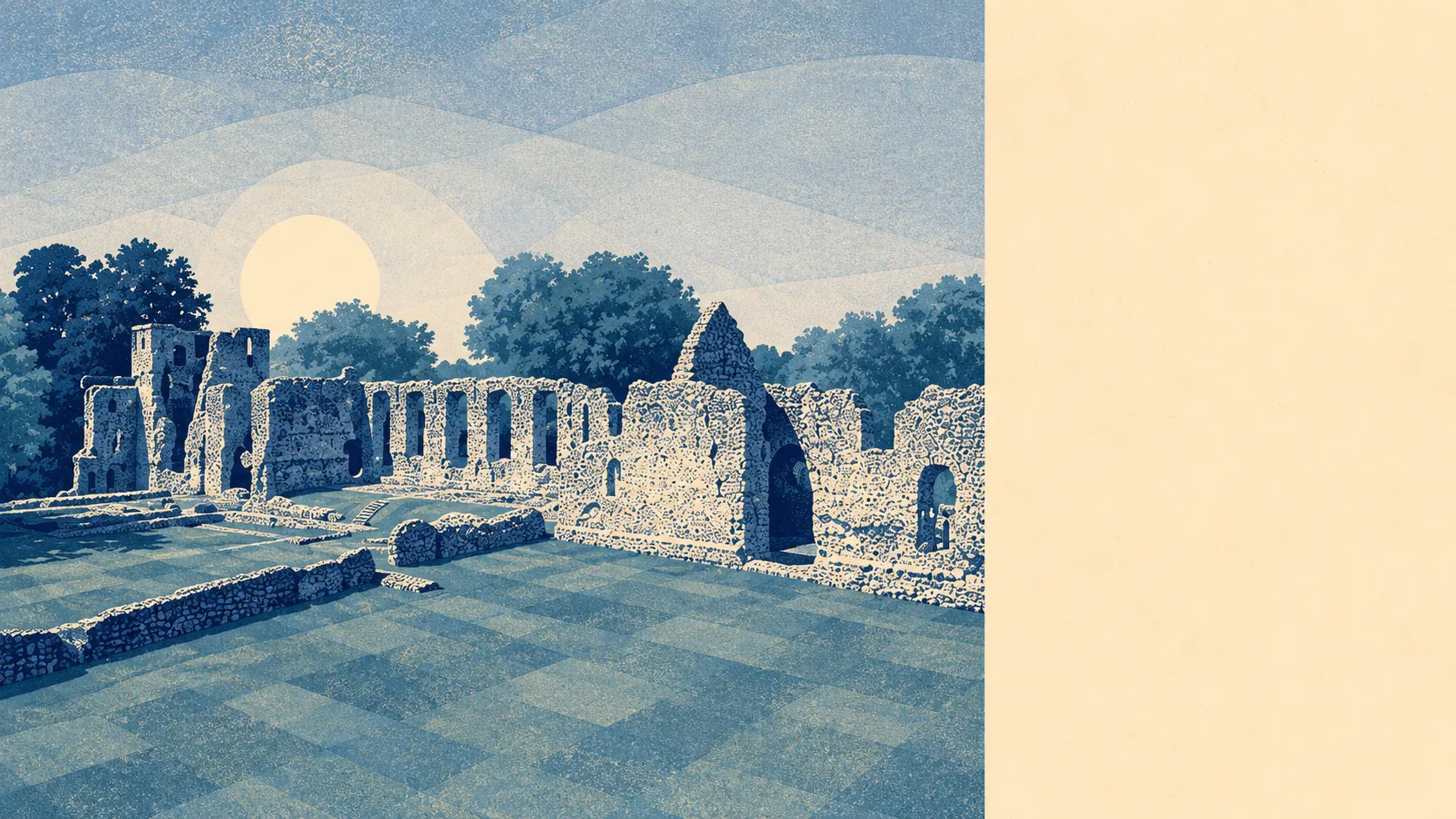
The pretty comes with paperwork. There are around 125 listed buildings in and around the town, a conservation area covering the old core, and a pair of scheduled monuments with the palace ruins among them. Live inside that and you can own a real piece of history. You will also discover, the first time you want to change a window or a door, exactly how many people get a say in your own walls. The character everyone moves here for is the same character that stops you touching it.
The people who live here are settled, older, and comfortable. Seven in ten own their homes, the median age is 49, and the typical household income is around £63,000. This is a town that has largely made its decisions and is now enjoying them. Nobody here is on the way up. Everyone has already arrived, which is the appeal, and also why nothing changes in a hurry.
This answer also covers Shedfield, the neighbouring parish that folds into the same corner of the map. It plays the same tune: quiet, green, and best reached by car.
If you are a couple in your late forties who have sold up somewhere pricier and want a walkable high street of independent shops, a strong green surround, and a home you will not move out of again, this is close to ideal, and you will never once miss the station.
If you are a first-time buyer without a car, or you need a train five mornings a week, Bishop's Waltham will fight you daily and it will win. This is not a place that bends to people who do not drive.
For a small town, the guest list is broad. Amanda Holden grew up here. Sir William Jenner, physician to Queen Victoria, is on the roll, as is Samuel Ward, one of the translators of the first authorised English Bible, buried here in 1629. Henry of Blois, the bishop who built the palace in the first place, gave the town its shape. And after Trafalgar, some two hundred French officers, Admiral Villeneuve among them, were held here as prisoners. A losing French admiral and a household-name television presenter, claimed by the same small town. Make of the range what you will.
So, is it a good place to live? Yes, at about three and a half out of five, above average and honest about why. Its best card by a distance is the green all around it, a clean five. Its worst is getting anywhere by public transport, closer to two and a half. Either you want the palace, the green and the independent high street enough to drive everywhere for the privilege, or you buy nearer a station and tell yourself you will visit. Bishop's Waltham is a genuinely good place to live for the people who were always going to love it, and mild purgatory for anyone whose week runs on a train.