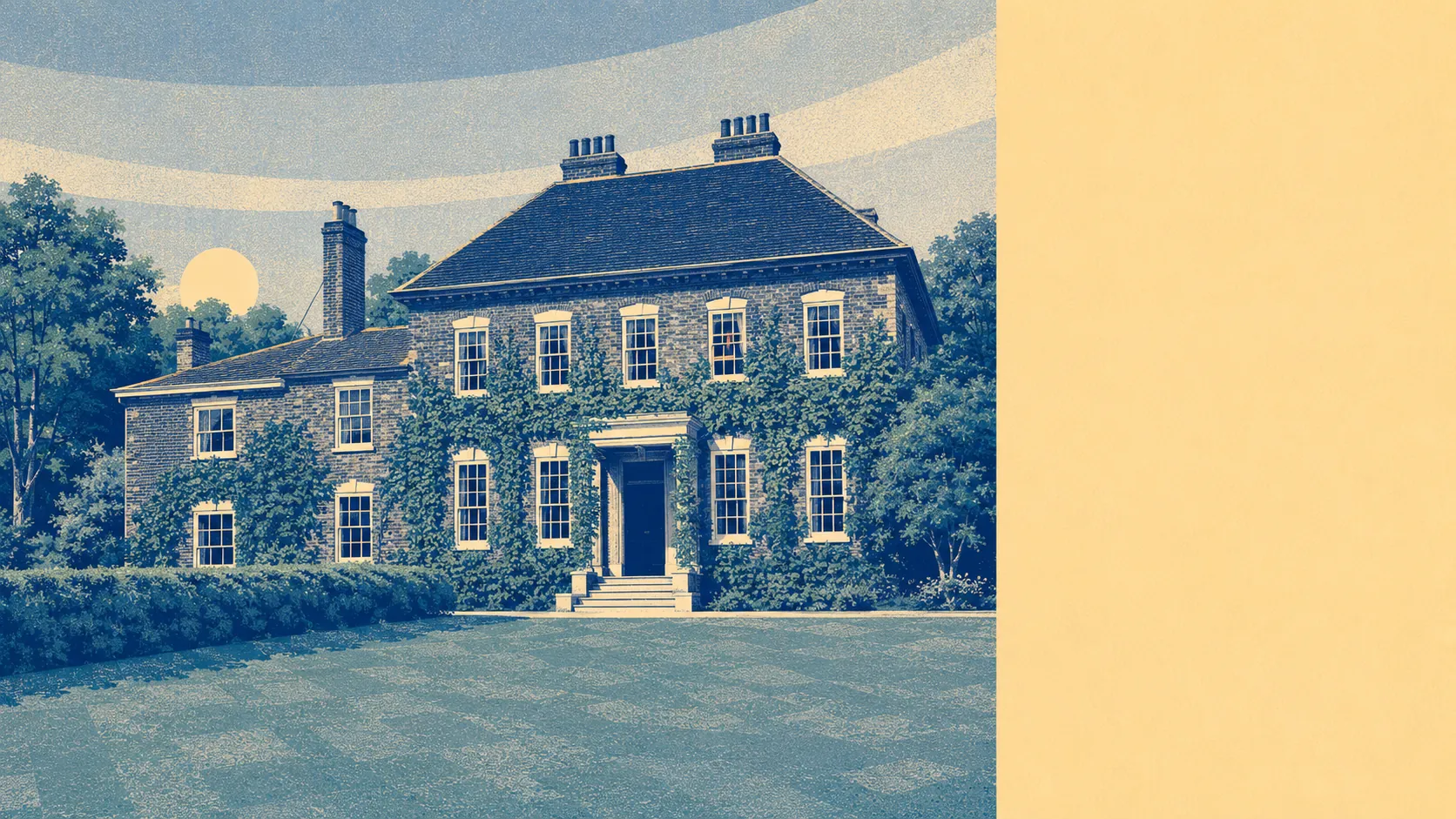
Alveston is where you move when you've stopped wanting things to happen to you. Half the households run two cars. The median resident is fifty-three. More than four in ten people work from home. This is not a village that's going anywhere, and that turns out to be the entire selling point.
The housing is what you'd expect from a place that did most of its growing in the decades after the war. Three-quarters of the homes are houses, and fewer than one in ten are flats, so if you were hoping for a smart little apartment near a station, this is the wrong postcode. Most of the stock dates from the post-war building years, which shows up in the energy ratings. The single most common rating is a D, covering more than four in ten homes, and close to one in five sit at E or worse. Only about four in ten reach the A-to-C bracket that a modern buyer thinks of as normal. Translation: the heating bills are a running theme, and the double glazing is a conversation you'll have with a builder within the first year.
None of it is cheap. The typical sale over the last year landed at around £400,000, off a fairly thin run of about two dozen transactions, so the market here is a slow one rather than a churning one. The spread is the usual village hierarchy: detached houses at roughly £550,000, semis around £360,000, and the few terraced places closer to £295,000. Council tax is where the numbers soften a little, with the most common band being B and nearly half the homes sitting in band A or B. That's the compensation for the price tags. You pay a lot to get in and slightly less than you'd fear to stay.
Renting is the harder route here, mostly because there isn't much of it. As a guide, typical private rent across the South Gloucestershire area runs at about £1,450 a month, and Alveston itself skews toward owners rather than tenants, so the choice on any given month is narrow. If you want to rent a house in a village like this, you wait for one to appear rather than pick from a list.
On safety, the published crime rate is about ninety-six recorded incidents per thousand residents a year, which sits roughly eighteen percent above the South Gloucestershire average. That sounds worse than it feels on the ground, and rural rates bounce around on small numbers, but it's the honest figure rather than the flattering one. This is a quiet village that reads slightly busier on paper than its reputation suggests.
Connectivity is a car story, and the data doesn't pretend otherwise. Almost nobody commutes by train here, barely a rounding error, and just under half of working residents drive. The nearest town centre is about ten minutes by car and closer to twenty on public transport, which is the polite way of saying the bus is there but you won't build your life around it. What does work is the broadband. Around nine in ten postcodes can get a gigabit connection and virtually all of them get superfast, with none stuck below the universal minimum. For the four in ten people working from a spare bedroom, that's the number that actually matters, and it delivers.
The surroundings are the best thing Alveston has, and it isn't close. Green space is on average about 130 metres from your front door, with something like fifteen separate patches of it within a kilometre, and open water is under half a kilometre away. Flooding is a modest concern rather than a live one: around seven percent of postcodes carry a high surface-water risk and roughly one in five carry a medium one, but none of the village falls inside the Environment Agency's highest river-flood zones, and there's no record of historic flooding. You buy here for the walk out the back door, and on that measure it delivers what the brochure would if the brochure were allowed to be right.
Heritage sits lightly on the place, which is good news if you want to change your house. There are thirteen listed buildings, all of them the lowest grade, and no conservation area covering the village itself. Two scheduled monuments sit in the wider area, but they're the archaeology in a field, not the rules on your windows. For most homeowners that means the extension, the solar panels and the modern glazing are a planning conversation rather than a planning battle.
The character is settled, owner-occupied and comfortably off. Roughly three-quarters of homes are owned outright or on a mortgage, the median resident is in their early fifties, and the typical household income is around £65,000. This is a place that has largely finished arriving. People move in, put down roots, and stop moving.
Who is it for? Someone with a car and a job they can do from a laptop, who wants green space at the end of the road and doesn't need a nightlife, a station platform or a bargain. Families and downsizers both fit, provided they've made peace with the fact that Bristol is a drive rather than a doorstep.
Who is it not for? Anyone chasing value, anyone who wants to rent easily, and anyone who needs the train. If your daily life depends on a fast platform and a cheap flat, Alveston will frustrate you within a month, and you'd be better looking at somewhere the trains actually stop.
The overall verdict is a solid average, a three out of five, and the average hides the shape of it. The surroundings and green space are the standout, a clean five out of five, and they carry the place. The weak spot is exactly the one your bank account already suspected: house prices and value score a two, the lowest mark here. So Alveston is a genuinely good place to live and a distinctly average place to buy, and whether that trade works comes down to how much you value walking out into open country against how much you mind paying a premium for the privilege.